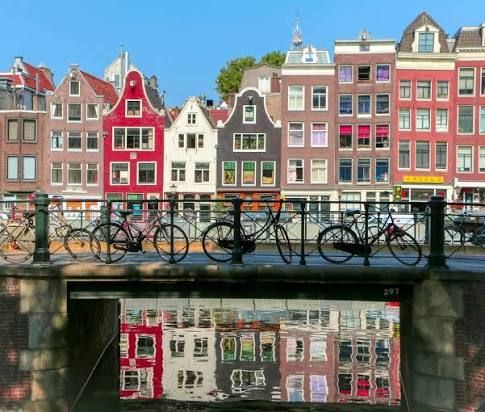


Dutch Windmills: History and Windmill Gifts from Holland
Dutch Windmills: History and Windmill Gifts from Holland
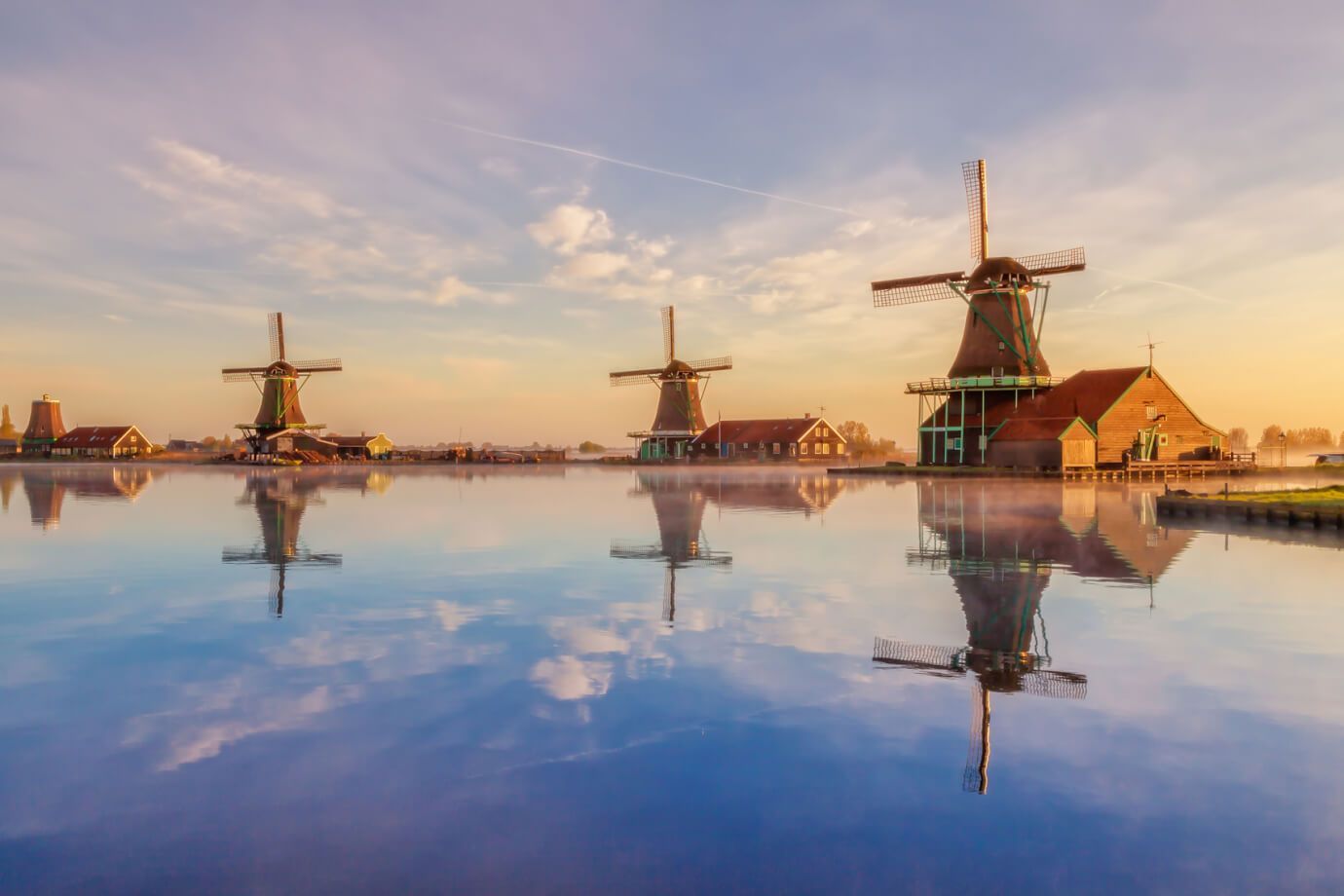
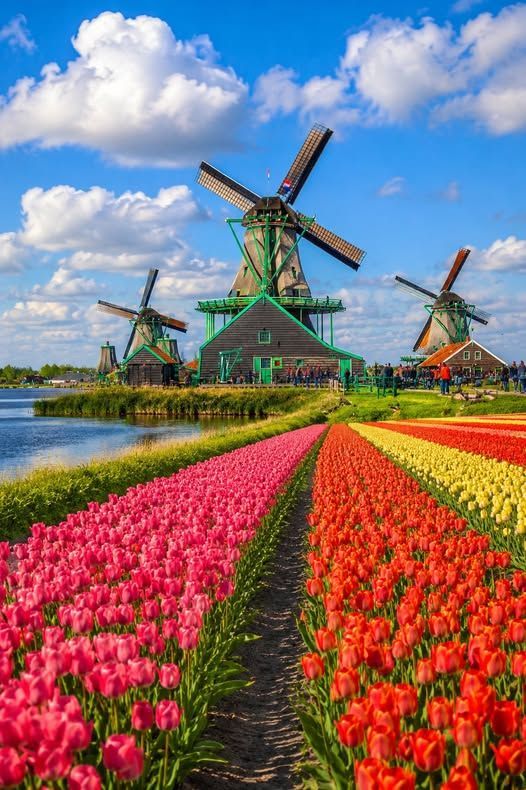
A Dutch landscape without a windmill is hard to imagine. The Netherlands still has more than a thousand of them, and they are among our best-known symbols. But why were there so many, and what did they do?
Dry feet thanks to the wind
A large part of the Netherlands lies below or just above sea level. Since the Middle Ages the wind has been used to pump water out of the polders. That is how land was reclaimed and settled. Without windmills, much of the country would have been uninhabitable.
Not only for water
Windmills also ground grain into flour, sawed tree trunks into planks, pressed oil from seeds and made paper. In the Zaan region, hundreds of industrial mills stood in the seventeenth and eighteenth centuries. It became one of the first industrial areas in Europe.
Where can you see windmills?
- Zaanse Schans: an open-air museum with working mills, wooden houses and traditional crafts.
- Kinderdijk: nineteen mills in a row along the water, a UNESCO World Heritage Site since 1997.
Most mills are now monuments, and many are open to visitors.
Windmills as a gift
A windmill is a classic among Dutch souvenirs. In our windmill gifts category you will find small porcelain mills, often in Delft blue, to put on a shelf at home or in the office. Combine them with other Dutch souvenirs or choose a gift set for a complete surprise.